
Oakland Police Records
Oakland police records are maintained by the Oakland Police Department Records Division. Oakland has about 443,000 residents and is the eighth largest city in California. The records division is at 455 7th Street, Room 306, Oakland, CA 94607. You can request copies of incident reports, arrest records, and traffic collision files by mail, email, or online. Call (510) 238-7143 with questions about your request. The department charges 5 cents per page for copies. Most agencies respond within ten days under California law. Oakland uses the NextRequest online portal to manage public records requests. Email opdrecordrequest@oaklandca.gov to submit a request or ask about your case.
Oakland Quick Facts
Oakland Police Records Division
The Oakland Police Department Records Division is at 455 7th Street, Room 306, Oakland, CA 94607. This is the main office for all police records in Oakland. Call (510) 238-7143 for questions about records requests. You can also email opdrecordrequest@oaklandca.gov. The division handles requests for crime reports, traffic collision files, and other police documents. Staff can tell you if a report is available and how long it will take to process your Oakland request.
Oakland uses the NextRequest online portal for public records. The portal is at oaklandca.nextrequest.com. You can submit requests, upload documents, and track the status of your request through this system. You get email updates when Oakland has news about your request. This portal serves the police department and other city agencies. It is faster than mailing paper requests and gives you a record of all communications.

The Oakland PD charges 5 cents per page for copies of police reports. This is one of the lowest fees in California. Most reports are between five and twenty pages. A ten-page report would cost 50 cents. You must pay when you pick up the report or before it is mailed to you. The department accepts checks and money orders. Make checks payable to City of Oakland. Include your name and case number on the check.
How to Request Police Reports in Oakland
To request a police report from Oakland, provide the date of the incident, location, names of people involved, and the report number if you have it. The more details you give, the faster staff can locate your report. If you do not know the report number, call the non-emergency line at (510) 777-3333. They can look up reports by name and date and give you the report number to use in your Oakland records request.
You must be an authorized person to get a copy of a police report. This includes victims, parties involved in traffic crashes, legal representatives, and insurance companies with a claim number. The Oakland PD will not release arrest reports to the person arrested. Investigation records are exempt from disclosure under California Government Code Section 6254(f). You can request crime reports where you were the victim or reporting party in Oakland.
The Oakland Police Department responds to most requests within ten calendar days under California law. This is the initial response. Production of the records may take additional time depending on the complexity of your request. Simple crime reports for victims often take one to two weeks. Complex requests requiring legal review can take longer. The department will tell you an estimated date when you submit your request for Oakland police records.
Note: Victims of domestic violence, sexual assault, stalking, or human trafficking get free reports under California law.
Police Records Available in Oakland
Crime reports document incidents like theft, burglary, assault, robbery, and vandalism in Oakland. An officer writes a report after responding to a call or taking a statement from a victim. The report includes what happened, who was involved, witness statements, and what the officer observed. You can request a copy if you were the victim or another party entitled to the report. These reports are kept in the city records system for many years.
Traffic collision reports show details of crashes in Oakland. California Vehicle Code Section 20012 requires release of collision reports to involved parties. This includes drivers, passengers, vehicle owners, and insurance companies with a claim number. Most collision reports are ready within one to two weeks after the crash. The Oakland PD needs time to complete the investigation and finalize the report before releasing it.
Arrest records show when someone was booked into custody by Oakland police. The department posts some booking information online as required by California Government Code Section 7923.610. This includes name, booking date, charges, and bail amount. Full arrest reports with investigation details are not available to the arrested person. These are exempt under California law as active investigation records in Oakland.
California Public Records Act in Oakland
Oakland police records are subject to the California Public Records Act. This law is in California Government Code Sections 7920-7931. Any person can make a request for public records. You do not need to be an Oakland resident. You do not have to explain why you want the records. The Oakland PD has ten calendar days to respond to your request. This is just the acknowledgment. They may need more time to search, review, and produce the records.
Some police records are exempt from release under California law. Active investigations are withheld until the case closes. Personnel files are confidential. Body camera footage is exempt except for critical incidents like officer-involved shootings. The Oakland PD must cite the specific exemption when denying a request. You can challenge a denial in court if you believe the records should be public.
California Penal Code Section 832.7 covers peace officer personnel records. SB 1421 and SB 16 changed this law to require disclosure of certain records. These include officer-involved shootings, serious use of force, sexual assault by an officer, and dishonesty findings. The Oakland PD must release these within 45 days. A delay of up to 180 days is allowed if there is an ongoing investigation in Oakland or related to Oakland officers.
California Government Code Section 7923.625 covers body camera footage. Agencies must release footage from critical incidents within 45 days. A critical incident includes any shooting or use of force causing serious injury or death. The Oakland PD can take 30-day extensions for certain reasons. Other body cam video is not subject to release under the Public Records Act. The department will likely deny requests for routine body cam footage from Oakland.
Other Record Resources for Oakland
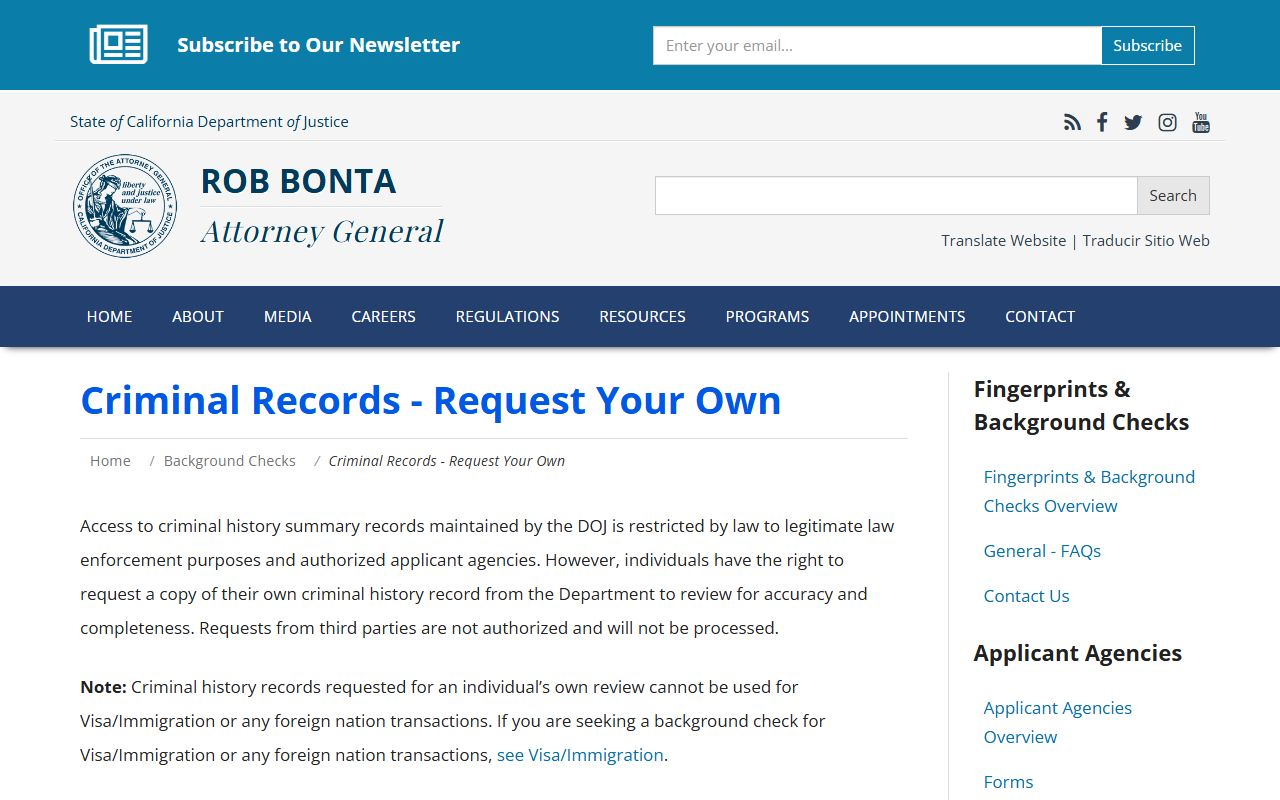
If you need your California criminal history, contact the California Department of Justice. You can request your own record for a $25 fee. This shows all arrests and convictions statewide. It includes Oakland cases and records from other jurisdictions. The DOJ requires fingerprints and a completed application form. Mail your request to PO BOX 160207, Sacramento, CA 95816-0207. More information is at oag.ca.gov/fingerprints/record-review.
For traffic collision reports from the California Highway Patrol, use the online system at crashes.chp.ca.gov. CHP handles crashes on Interstate 880, Interstate 580, and other state highways in Oakland. If your crash was on a city street, the Oakland Police Department has the report. Check your insurance documents to see which agency responded to your crash in Oakland.
Legal aid services in Alameda County can help with police records requests and appeals. Contact the Bay Area Legal Aid at (510) 250-5270. They serve low-income residents in Oakland and surrounding areas. They can advise you on your rights under the California Public Records Act. They also help with expungements and sealing of criminal records if you qualify under California law.
Police Records in Nearby Cities
Other cities in Alameda County maintain police records through their own departments or the county Sheriff. Each has its own procedures for public records requests.
You can also view Alameda County Police Records for more information about Sheriff services in unincorporated areas and contract cities.