
San Francisco Police Records
Police records in San Francisco are maintained by the San Francisco Police Department. As both a city and county, San Francisco has a consolidated government structure with one police agency serving over 827,000 residents. You can request arrest logs, crime reports, traffic collision files, and incident documents through the department's records division. All police reports are free in San Francisco. This is unique among major California cities. The department uses GovQA for online submissions. Processing takes about ten business days for most requests. Wait times may be longer for complex cases or large document requests in San Francisco.
San Francisco Quick Facts
San Francisco Police Department Records
The San Francisco Police Department serves the entire city and county. Officers respond to calls, investigate crimes, make arrests, and create reports for all incidents within San Francisco. The department maintains a Customer Information Services Unit that handles public records requests. This unit processes thousands of requests each year from victims, attorneys, insurance companies, and other parties with legal standing.
All police reports are free in San Francisco. The department does not charge copy fees for incident reports, arrest reports, or traffic collision reports. This makes San Francisco one of the most accessible cities for police records in California. You still need to be a party of interest to get most records. Victims, involved parties, drivers, passengers, and insurers can request copies. Third parties without legal standing are generally denied.
San Francisco Police use GovQA for online records requests. Visit sanfranciscopd.govqa.us to submit your request electronically. The portal tracks status and sends email notifications when staff take action. You can also request records by phone at 1-415-575-7232 or email sfpd.cisu@sfgov.org. The unit is located at 1245 3rd Street in San Francisco.


| San Francisco Police Department |
Customer Information Services Unit 1245 3rd Street San Francisco, CA 94158 Phone: 1-415-575-7232 Email: sfpd.cisu@sfgov.org Online: sanfranciscopd.govqa.us |
|---|
How to Request Records
Gather details about your incident before you request. You need the date. You need the location in San Francisco. You need names of people involved. A case number helps staff find files faster. If you lack the case number, be as specific as possible. Officers include identifying details in reports that staff use for searches.
Use the GovQA portal for the fastest processing. You can also call, email, or mail your request. Include your full name, address, phone number, and email. State exactly what records you want. Explain your connection to the case. Victims should identify as victims. Drivers should mention they were in the crash. Insurance companies must provide claim numbers and policy information in San Francisco.
Under California law, the department has ten calendar days to respond. They tell you if the records exist and whether they can be released. Some files are exempt from disclosure. Active criminal investigations are often withheld until they close. Officer personnel files are confidential except for serious misconduct under Penal Code Section 832.7 as amended by SB 1421 in California.
Processing times vary by request type. Simple reports for your own case move faster. Complex requests with multiple files take longer. The department will contact you when records are ready. They may email digital copies or arrange for pickup. Since reports are free, there is no payment required in San Francisco.
Available Police Records
Arrest records show who police took into custody in San Francisco. Each record includes name, booking date, charges, bail amount, and booking photo. The city maintains booking logs for recent arrests. You can view these online. For certified copies or older arrests, submit a formal request. Arrest data is public under Government Code Section 7923.610 in California.
Incident reports document crimes and other events officers investigate. Reports include victim statements, witness accounts, physical evidence, and officer findings. You must be directly involved to get a copy. Suspects usually cannot obtain their own arrest reports. Third parties without legal standing are denied access. Active cases may be withheld until investigations close in San Francisco.
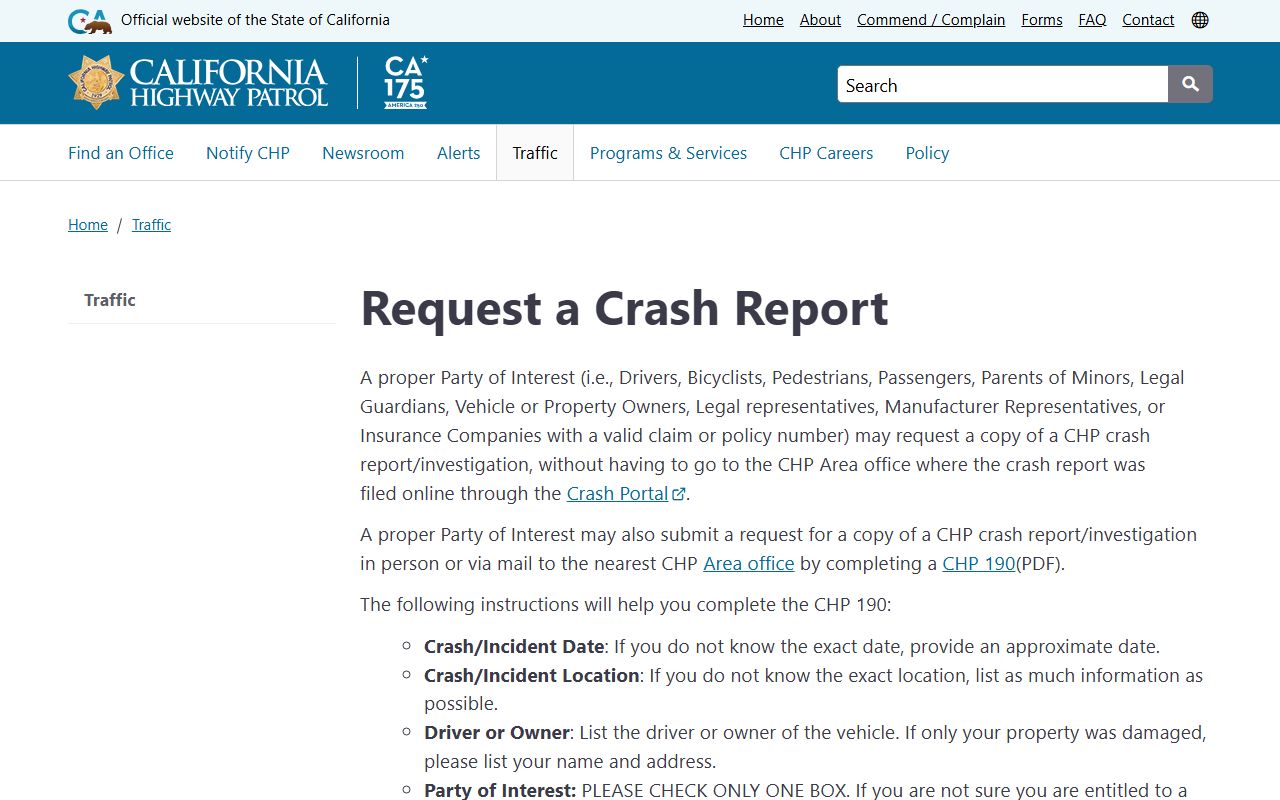
Traffic collision reports are created when officers respond to crashes. These show date, time, location, vehicles, drivers, passengers, and injuries. Vehicle Code Section 20012 requires agencies to provide these to parties of interest. Drivers, passengers, vehicle owners, and insurers with claim numbers can request copies. For crashes on Highway 101, Interstate 80, or other state routes, contact California Highway Patrol at crashes.chp.ca.gov instead of city police in San Francisco.
Processing Times
Most routine requests complete in ten business days. Simple reports for your own case often process faster. Complex requests with multiple files or redactions take longer. The department prioritizes requests from crime victims and parties directly involved in cases. Other requests are handled in the order received in San Francisco.
Domestic violence victims get priority processing under California law. The department must provide their incident reports within five days at no charge. Sexual assault, stalking, and human trafficking victims also qualify for expedited processing. You may need to show proof of victim status when making these requests in San Francisco.
If you do not hear back within ten days, follow up with the Customer Information Services Unit. Staff can check the status of your request and provide an estimated completion date. Large document requests may take weeks to process due to review requirements and redaction needs in San Francisco.
Note: Processing times can vary based on department workload and request complexity.
California Public Records Law
The Public Records Act gives you the right to access police records in San Francisco. The law is in Government Code Sections 7920-7931. Anyone can make requests. Residency is not required. You do not need to explain your purpose. Agencies must respond within ten days. They can extend by 14 days for complex requests in California.
Some records cannot be released. Active criminal investigations are exempt from disclosure. This protects ongoing cases from interference. Once cases close, more information becomes available. Officer personnel files are mostly confidential. Recent laws require disclosure of serious misconduct. Shootings, excessive force, sexual assault by officers, and dishonesty must be provided within 45 days under SB 1421 in California.
Body camera footage is generally exempt from release. Government Code Section 7923.625 requires agencies to release footage only from critical incidents. This includes officer-involved shootings and serious use of force. Agencies have 45 days to provide this footage. Extensions of 30 days are allowed during active investigations in San Francisco.
State Police Record Access
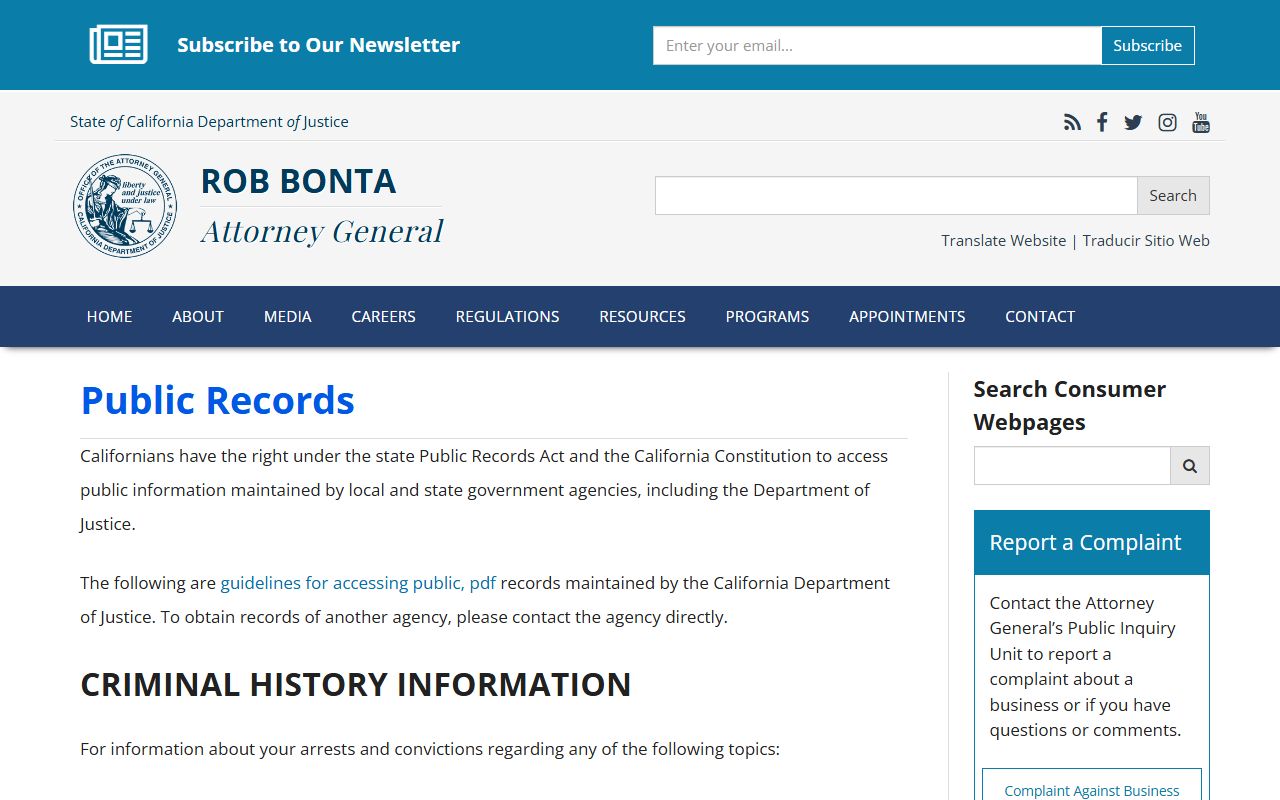
The California Department of Justice maintains statewide criminal history information. You can request your own record through the DOJ Record Review Unit. Visit oag.ca.gov/fingerprints/record-review for forms and instructions. The fee is $25. You must submit fingerprints via Live Scan or manual cards. The DOJ will not release another person's criminal history to you. Only law enforcement can access third-party criminal records in California.
For general public records from the DOJ, use their portal at oag.ca.gov/consumers/general/pra. The DOJ maintains different records than local police. They handle statewide databases and conduct certain investigations. Most routine police records remain at the local level in San Francisco, not with state agencies.
California Highway Patrol manages traffic collision reports for state highways. Their online system at crashes.chp.ca.gov lets parties of interest request reports directly. Fees apply for CHP reports. San Francisco Police provide their collision reports at no cost in San Francisco.
Nearby Major Cities
Other large cities in the Bay Area have their own police departments and records procedures: